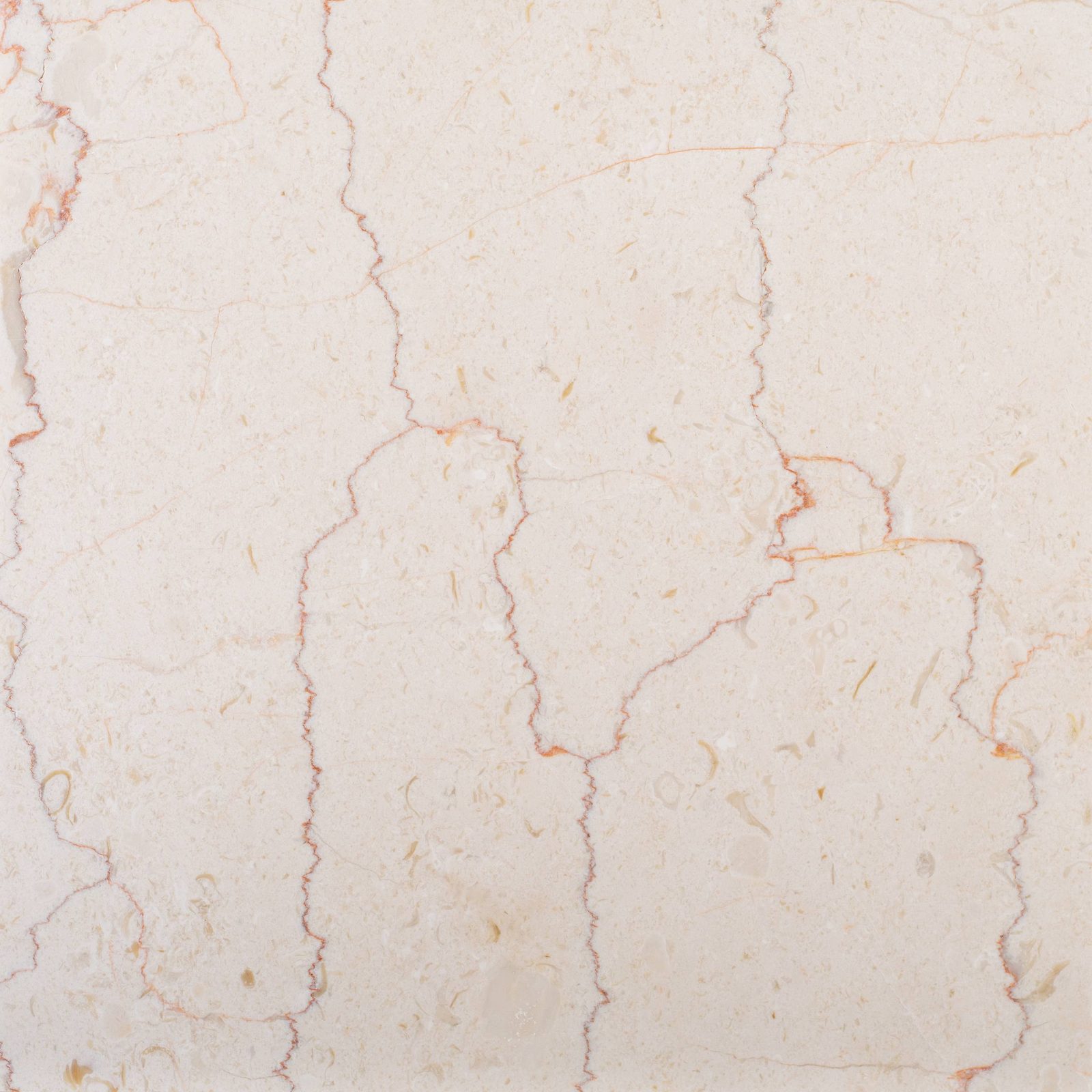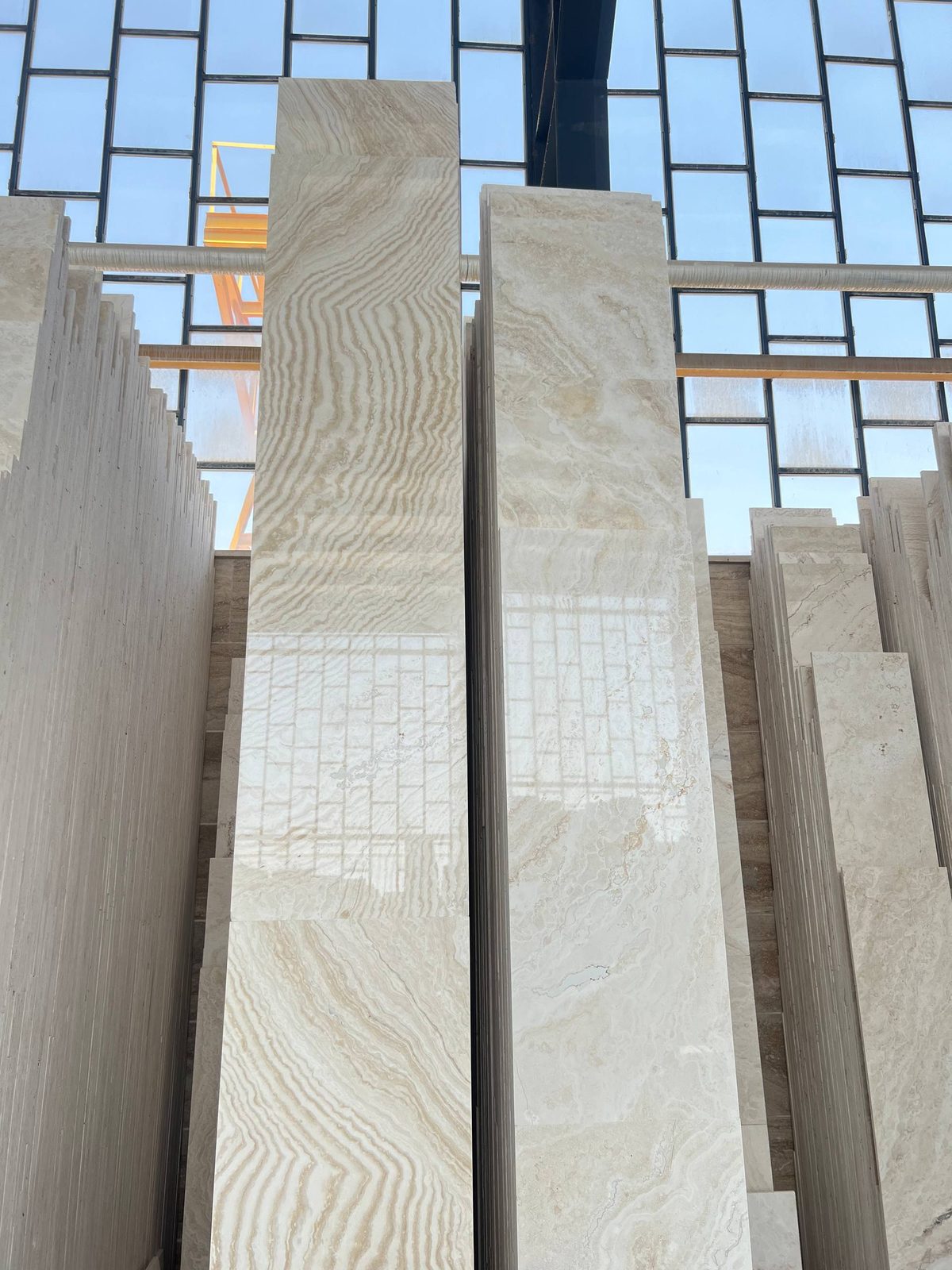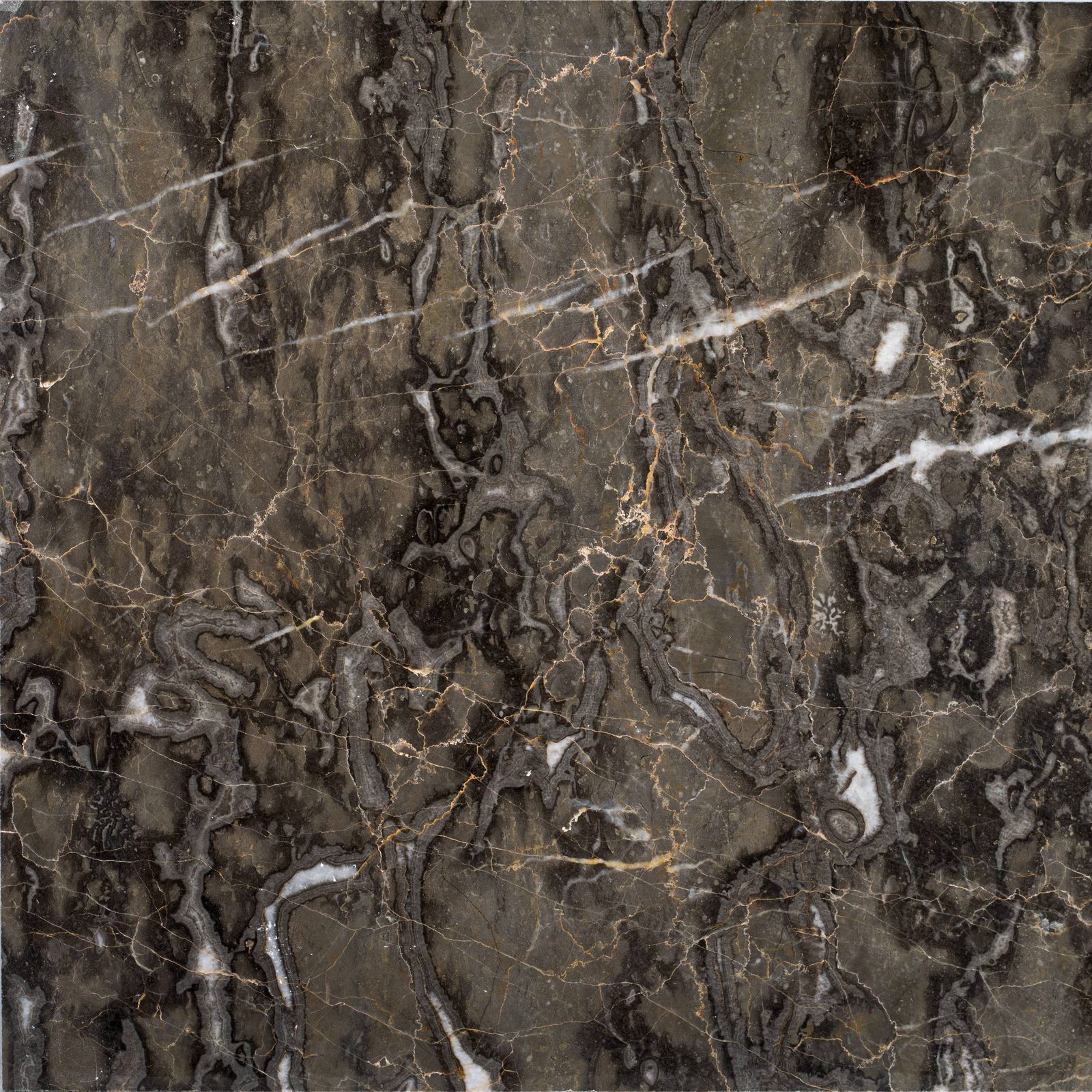
Dragon Marble
"Natural stone has always told the story of the earth. Today, that story is evolving into one of sustainability, durability, and timeless elegance in the face of modern architectural challenges."
Redefining Luxury Through Longevity
In an era where fast fashion has unfortunately bled into interior design, the architectural world is pivoting back to materials that stand the test of time. Iranian marble, known specifically for its dense crystalline structure and unique veining patterns, offers a proposition that goes beyond mere aesthetics. It offers permanence.
When architects specify Zagros stone, they aren't just choosing a color palette; they are selecting a material lifecycle that spans generations. Unlike synthetic composites that may degrade or discolor within a decade, natural stone develops a patina, a character that enriches the space it inhabits.
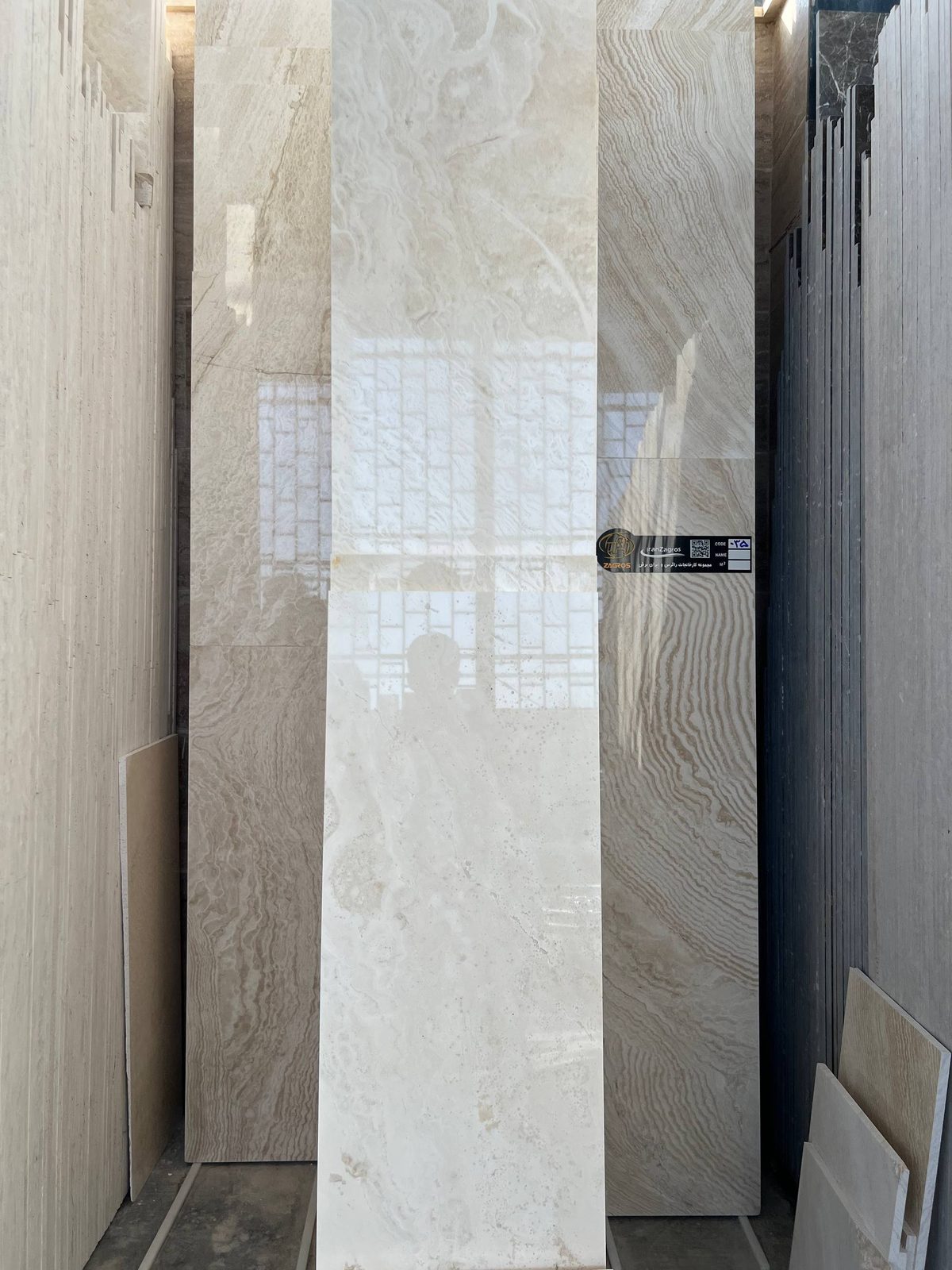
The Quarry to Project Pipeline
Sustainability in stone begins at the source. Modern quarries replace blasting with diamond wire cutting, which reduces waste and preserves the surrounding rock, so every block yields more usable slab.
ecoSustainable Practices
- Water Recycling: Processing plants can reuse cutting water through filtration systems.
- Less Waste: Stone dust and chips can be reused in terrazzo and construction aggregates.
- Local Sourcing: Processing close to extraction sites reduces transport and its carbon footprint.
Aesthetic Versatility in Modern Design
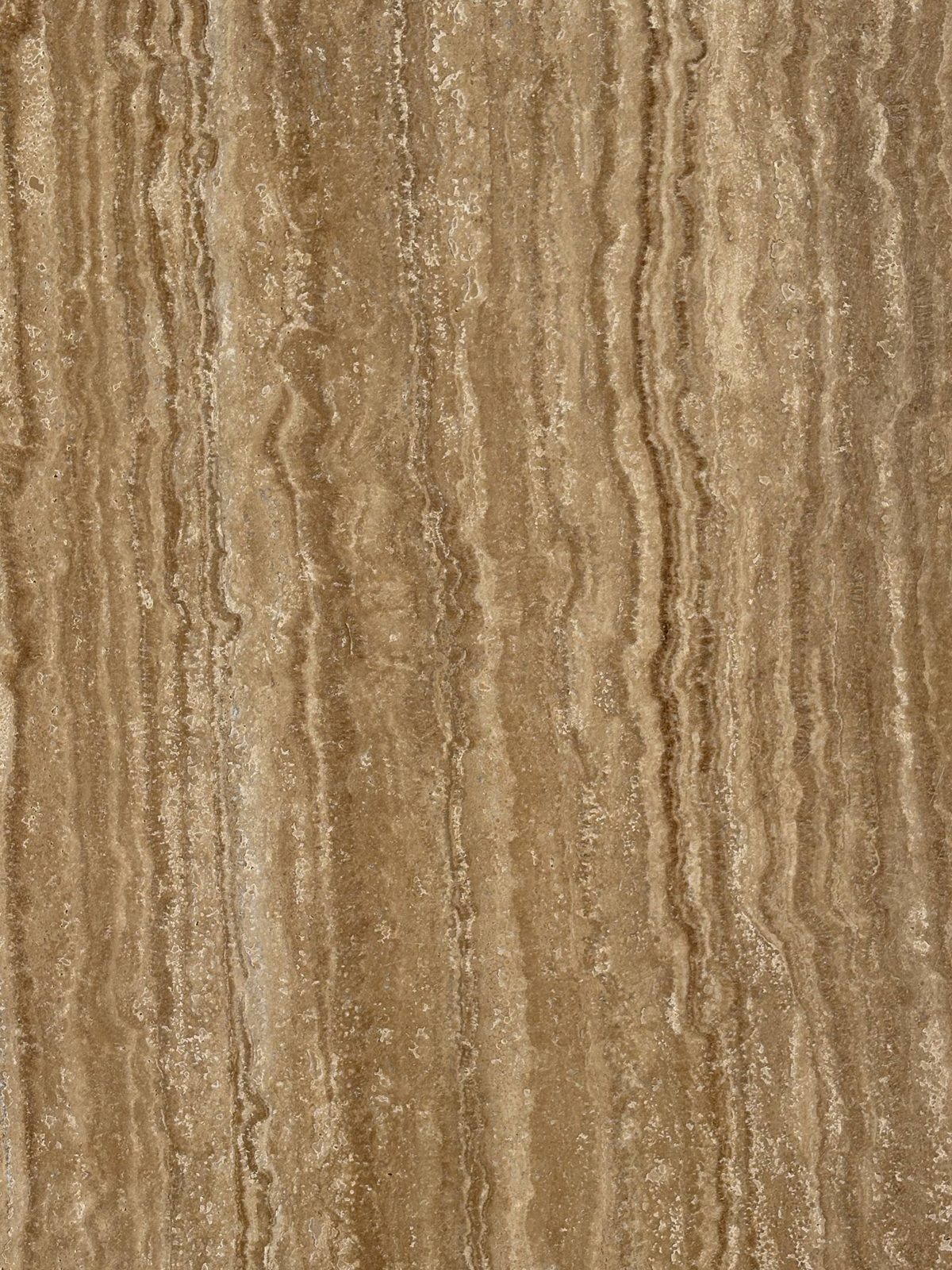
From the dark, dramatic veining of Dragon marble to the warm tones of Yazd honey travertine, Iranian stone gives designers a rich vocabulary. It is no longer just for floors or countertops; stone is now used as wall cladding, integrated furniture and feature surfaces.